Our Mission
Odoki helps businesses and individuals thrive by maximizing wellbeing in a scientifically backed and lasting way.

Odoki helps businesses and individuals thrive by maximizing wellbeing in a scientifically backed and lasting way.
Odoki was founded by entrepreneurs and longtime insight practitioners, Malcolm and Jonathan.
After feeling frustrated with the wellness and corporate coaching offerings in their respective industries, they realized that whilst existing approaches weren’t wrong, they were incomplete. Odoki fills that gap, drawing from cutting-edge neuroscience and traditional insight practices to tackle stressors from the moment they’re perceived, rather than after an individual has already reacted.
The Odoki Method benefits from Malcolm and Jonathan’s vast experience scaling businesses from start-ups to multi-million dollar enterprises, as well as a deep knowledge of proven mindfulness and meditation practices. By harnessing the best of both worlds, they developed Odoki with high-performing individuals in mind, making it perfectly suited to those navigating high-pressure environments.

Malcolm was a practicing Buddhist for decades, and found that while traditional Buddhist meditations helped him in his personal life, they didn’t translate into language and tools that could address the conflict and anxiety he saw burdening his peers in the tech world. Through his personal exploration and leading meditation workshops, he discovered that paying attention to specific physical tensions helped people to release anxiety in its entirety. He began to research neuroscience and different approaches to mindfulness and meditation practices, and over a period of many years, formulated the Odoki Method. He hopes that the method can become widespread and freely available to all.

Jonathan has founded and scaled companies with global reach and impact. With more than ten years of experience with meditation, coaching, and transformational work, he has seen firsthand the impact that mindfulness can have on the wellbeing of companies, teams, and individuals. Jonathan now seeks to broaden the reach, accessibility, and impact of these tools through Odoki, offering particular expertise in helping employees to deal with pressure or burnout in the workplace.

Gethin Kemp is a highly specialized Physiotherapist. His expertise centers around chronic pain and fatigue, and he authored the Pain Management Programme Handbook that set the foundation for NHS Pain Management programs across the UK. Gethin has seen great success in teaching mindfulness and meditation to people dealing with cancer, chronic pain, fatigue, addiction, PTSD, panic attacks, sleep disorders, depression, hypermobility, and complex regional pain. His wealth of experience has helped to prove the method in clinical contexts.
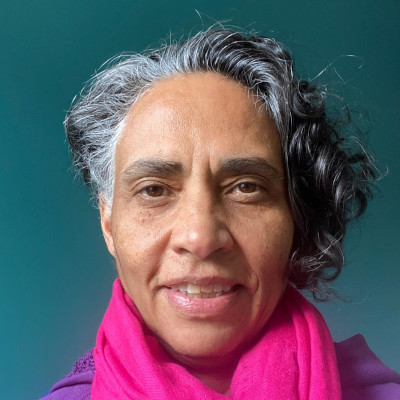
Amaragita’s background is in community development and working with young people at risk and the professionals that support them. She worked for various social change movements and has been a trainer, facilitator and coach for nearly 40 years. Her passions are meditation and creating spaces for deep inquiry and celebration of the human condition.

Nina is a qualified Cognitive Behavioural Hypnotherapist with experience working at the intersection of mental health, homelessness, and special needs housing. Nina is fascinated with how anxious thoughts can be effectively challenged with a combination of gentle understanding and actively noticing physical sensations in the body, and is passionate about teaching others to address their own anxiety through the Odoki Method.
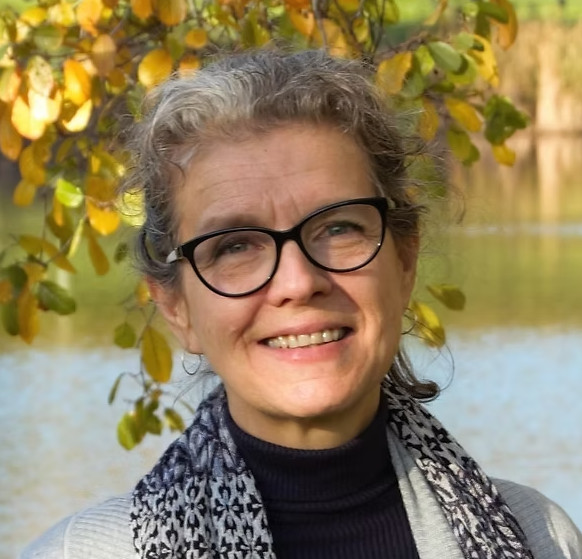
Kate is a UKCP Registered Psychotherapist and Trauma Therapist with over 35 years’ experience in higher education and private practice. She has managed university counselling teams, facilitated training workshops across a range of settings, and mentored and supervised counsellors, therapists and managers. Throughout her career Kate has maintained a longstanding interest in a wide range of evidence-informed approaches to resolving psychological distress, with a particular focus on anxiety, stress and trauma recovery. She was drawn to the Odoki Method for its simplicity and accessibility, and for its potential to facilitate deep and lasting change.